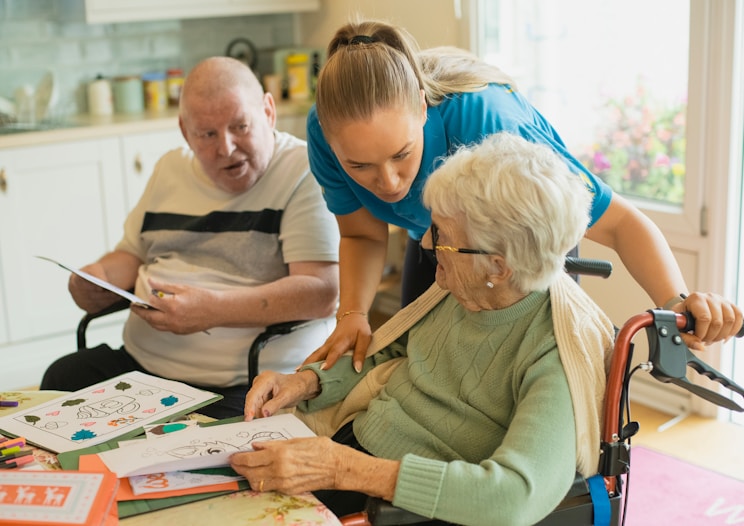
Home Care for Veterans: 5 Strategies to Make It Effective
Learn how veterans can access and make the most of in-home care services through VA programs and professional providers.
Read ArticleIf you have ever Googled "what is a PCW" or "PCW meaning in healthcare," you are definitely not the only one. Personal Care Worker (PCW) is one of the fastest-growing roles in in-home care, and whether you are thinking about becoming one or looking to hire one for your family, understanding the role is a great place to start.
At Support Plus Personal Care, we train and employ PCWs across Wisconsin to provide compassionate, professional in-home care. Here is everything you need to know.
PCW stands for Personal Care Worker. Simply put, a PCW is a trained caregiver who helps people with activities of daily living (ADLs) right in their own homes. That includes things like bathing, dressing, grooming, toileting, feeding, getting around safely, medication reminders, and companionship.
In Wisconsin, PCWs work under a registered nurse's supervision and follow a care plan from the client's doctor. They are not nurses -- they provide non-medical personal care services covered by Medicaid, HMOs, and other insurance programs. Think of a PCW as the person who helps your loved one live their daily life with dignity and support.
A PCW's day looks different depending on the client's care plan, but here is a snapshot of what the role typically involves:
Honestly? Not everyone is cut out for personal care work. It takes a special kind of person. The best PCWs share these core qualities:
Compassion is everything in this role. A great PCW genuinely cares about their client's well-being and treats them with dignity -- even on the hard days. It means seeing the person behind the condition and leading with kindness, every single time.
Some clients need extra time. Some repeat themselves. Some resist help entirely. That is okay. Patience lets a PCW provide care without rushing anyone or adding to their frustration. This is especially important when working with people who have dementia, cognitive challenges, or emotional difficulties.
Being a good person is not enough -- you also need proper training. Professional PCWs learn body mechanics, infection control, privacy practices, and emergency procedures. At Support Plus Personal Care, all our PCWs go through competency testing and ongoing training to keep their skills sharp.
Your client is counting on you. Showing up on time, every time, builds the kind of trust that makes care actually work. Consistency in both schedule and approach creates a sense of safety for clients who may already be anxious about receiving help.
A great PCW notices the small things -- appetite changes, mood shifts, new bruises, increased confusion -- and reports them right away. Catching changes early can prevent emergencies and keep the care plan on track.
The goal is to support your client's independence, not take it over. The best caregivers encourage people to do what they can on their own and step in only when needed. They also respect the client's home, belongings, and personal space.
Interested in becoming a personal care worker? Here is the path:
It is more straightforward than a lot of people expect -- and it can be an incredibly rewarding career.
Here is something that surprises a lot of families: if you are already providing daily care to a family member with a qualifying medical condition, you might be able to get paid for it. If your loved one has Medicaid and a referral from their doctor, you could become their paid PCW through an agency like Support Plus Personal Care. Qualifying conditions include lower back pain, arthritis, heart disease, diabetes, COPD, depression, anxiety, PTSD, bipolar disorder, autism (age 8+), and many others.
| Role | Scope | Certification Required |
|---|---|---|
| PCW | Non-medical personal care (ADLs), companionship, light housekeeping | Agency training + background check |
| CNA | Basic medical tasks (vital signs, wound care) under nurse supervision | State certification exam |
| HHA | Similar to PCW + some basic health monitoring | Varies by state |
Thinking about becoming a PCW -- or looking to hire one for your family? We would love to talk.
Give us a call at 262-420-4008 or visit our careers page to apply today.
Learn how veterans can access and make the most of in-home care services through VA programs and professional providers.
Read Article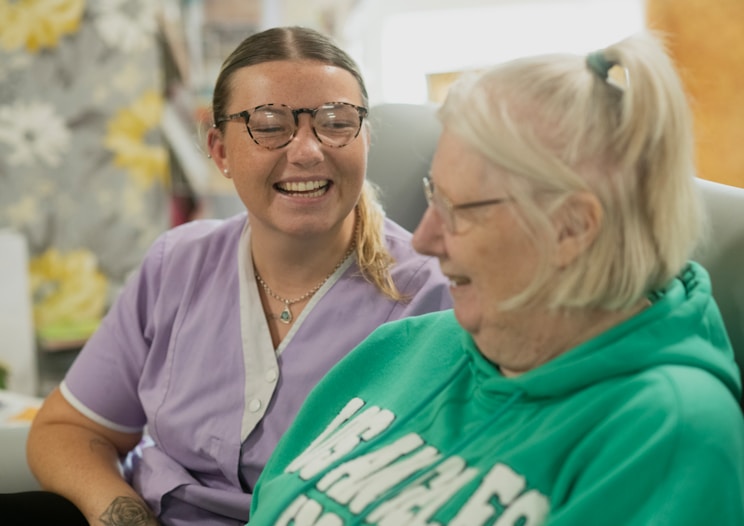
Research shows that compassionate care leads to better health outcomes, faster recovery, and higher satisfaction.
Read Article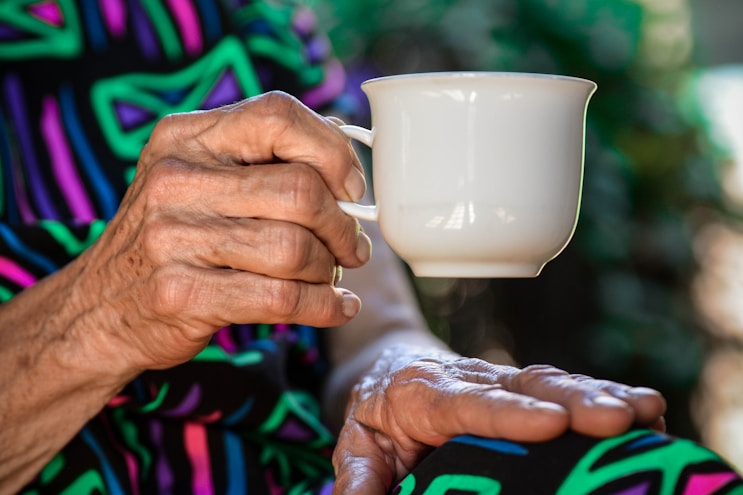
A personal care agency delivers trained caregivers who make daily life manageable and dignified for your loved ones.
Read ArticleOur team is here to answer your questions, walk you through your options, and help you take the next step, at your own pace, with no pressure.