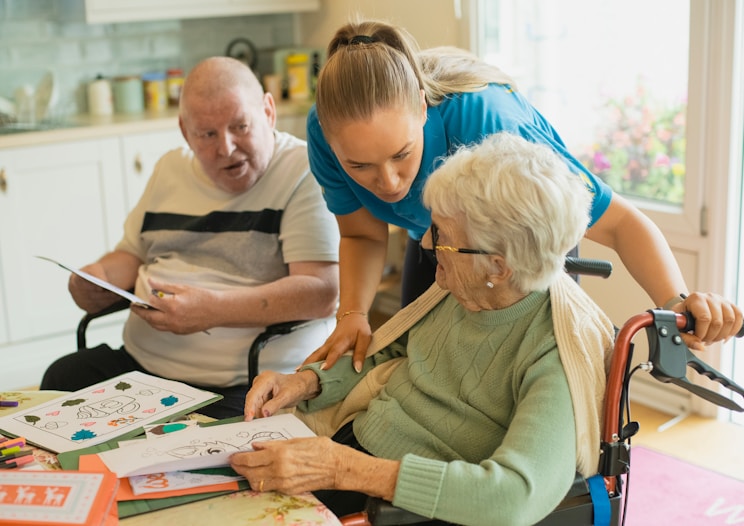
Becoming a Personal Care Worker: Qualities of a Great Care Provider
What does it take to become a personal care worker? Learn the key qualities, training, and mindset that define an outstanding caregiver.
Read ArticleCompassion is not just a nice quality in a caregiver -- it is a real differentiator. Research consistently shows that compassionate care leads to better health outcomes, faster recovery, higher client satisfaction, and reduced caregiver burnout. When you get down to it, compassion is the single most important quality that separates good in-home care from exceptional in-home care.
At Support Plus Personal Care, compassion is not optional -- it is foundational to everything we do. Let's look at five specific, measurable benefits of compassionate caregiving and why it matters so much for you and your family.
Compassion in caregiving means recognizing and responding to a client's suffering with genuine concern and a desire to help. It goes well beyond completing tasks on a checklist. In practice, it looks like:
If you have ever had a healthcare experience where the provider seemed rushed or detached, you already know how much it matters when someone actually takes the time to care.
Clients who receive compassionate care are more likely to follow their care plans, take medications on schedule, and communicate honestly about their symptoms. The result? Fewer complications, fewer emergency room visits, and better overall health.
There is a practical side to this too. When a client trusts their caregiver and feels genuinely cared for, they are more willing to accept help with sensitive tasks like bathing, toileting, and dressing -- which directly impacts hygiene and infection prevention.
Receiving care from someone you do not know well, in your own home, can feel stressful and even intimidating. That is completely understandable. A compassionate caregiver reduces that stress by building trust, maintaining consistency, and creating a calm, supportive environment.
For clients living with dementia, anxiety disorders, or PTSD, this is especially important. Compassionate care reduces agitation, confusion, and resistance to care -- all of which can make a difficult situation much more manageable for everyone involved.
Compassion builds trust, and trust builds cooperation. When a strong relationship exists between caregiver and client, good things happen:
This kind of partnership does not happen overnight, but it starts with a caregiver who shows up with empathy, patience, and respect from the very first visit.
When families see their loved one receiving genuinely compassionate care, it eases their own stress and worry in a meaningful way. It also reduces family conflict about care decisions -- when everyone trusts the caregiver, disagreements naturally decrease.
Here is something families do not always expect: compassionate care also gives family caregivers permission to take breaks without guilt. Knowing your loved one is in capable, caring hands makes it much easier to step away and recharge.
This one might surprise you. Compassionate caregivers actually experience less burnout than task-focused caregivers. When caregiving feels meaningful and connected rather than transactional, caregivers report higher job satisfaction, a stronger sense of purpose, and greater resilience over time.
At Support Plus Personal Care, we invest in our caregivers' well-being because we know firsthand that a well-supported caregiver provides better care. It is a cycle that benefits everyone.
Compassion does not happen by accident -- it takes intentional effort at every level. Here is how we make it happen:
We serve families across Milwaukee, Mequon, Racine, Kenosha, and surrounding Wisconsin communities -- and compassion is at the heart of every visit.
Ready to experience the difference that compassionate, professional in-home care can make for your loved one?
Contact us today at 262-420-4008 or fill out our free assessment form to start the conversation.
What does it take to become a personal care worker? Learn the key qualities, training, and mindset that define an outstanding caregiver.
Read Article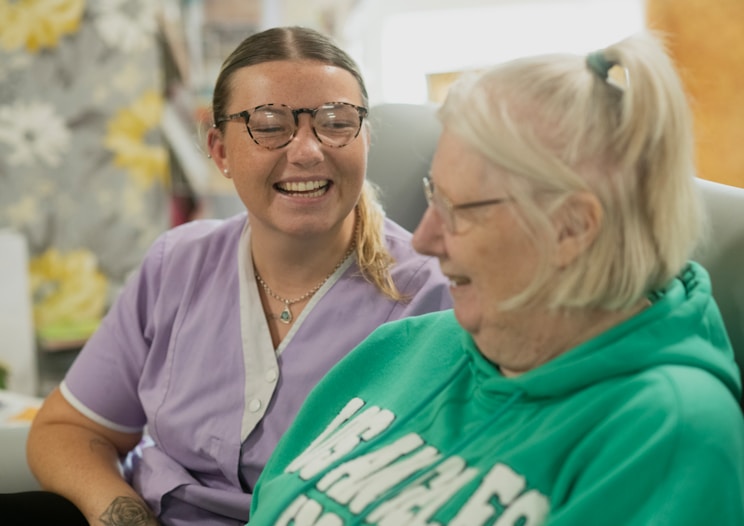
Caregiving can be deeply rewarding, but it also takes a significant toll on the caregiver's own physical health, mental well-being, and finances.
Read Article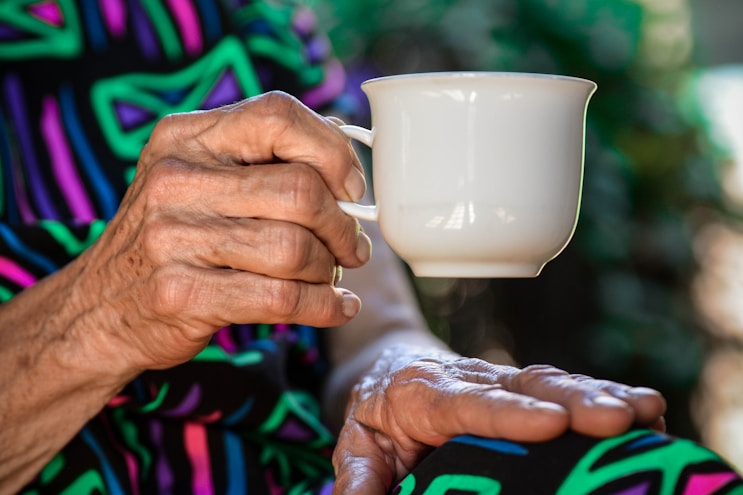
Good hygiene practices protect both clients and caregivers. Learn 7 essential hygiene tips for safe, effective in-home personal care.
Read ArticleOur team is here to answer your questions, walk you through your options, and help you take the next step, at your own pace, with no pressure.